
 Best Seller
Live arrival
Best Seller
Live arrival
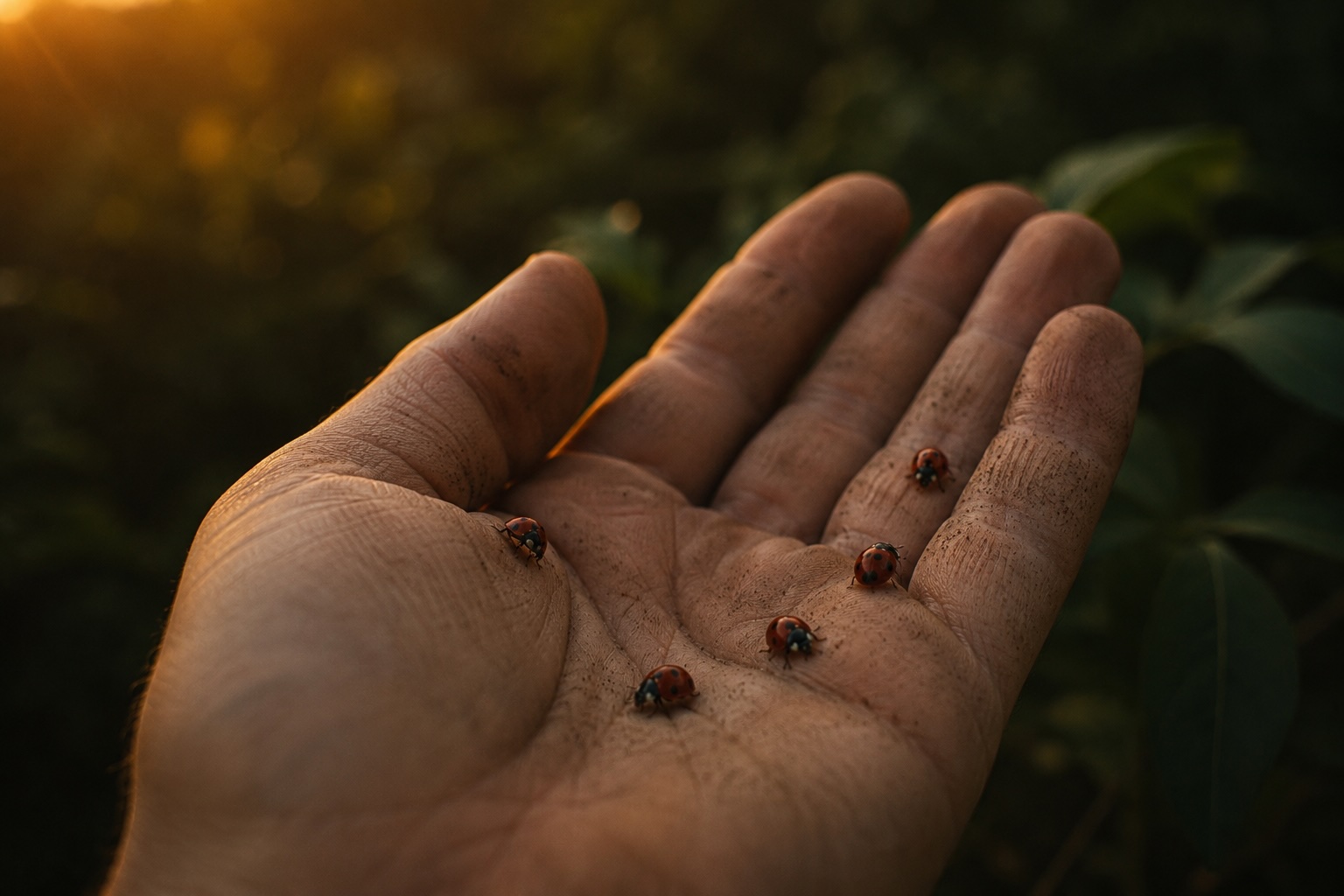
Live Ladybugs
Hippodamia convergens
From
$28
Natural aphid control for gardens, greenhouses, and grows.
Best for Aphid pressure
Choosing beneficials
Two of the most-used biological controls in agriculture — and they're not interchangeable. Here's how to choose.
Direct answer
Pick ladybugs if aphids are your main pest, especially in gardens. Pick green lacewings for mixed pest pressure (aphids + thrips + whiteflies + mites), especially in greenhouses or indoor grows. They’re excellent together.
| Attribute | Live Ladybugs | Green Lacewings |
|---|---|---|
| Scientific name | Hippodamia convergens | Chrysoperla rufilabris |
| Primary targets | Aphids, mealybug crawlers, scale crawlers, whitefly nymphs | Aphids, thrips, whiteflies, spider mites, mealybugs, small caterpillar eggs |
| Best environment | Gardens, greenhouses, indoor grows | Greenhouses, indoor grows, mixed pest pressure |
| Ships as | Adult beetles | Eggs or larvae (season-dependent) |
| Release method | Open container at base of plants at dusk | Sprinkle eggs/larvae onto leaves near pests |
| Best timing | Dusk, 55–80°F | Dusk, mild temperatures |
| Dispersal risk | Higher in open gardens (mitigate with staged release) | Lower — stays where placed |
| Typical starting count | 1,500–3,000 for home gardens | 500–1,500 eggs per release |
| Storage | Refrigerate 35–45°F | Refrigerate 38–45°F, use within 3–5 days |
| Best for | Aphid-dominant pressure | Mixed pest pressure & enclosed environments |
Both are commonly used in certified-organic operations. Results depend on environment, timing, and proper IPM practice.
Greenhouse IPM
Combine lacewings (broad coverage) with ladybugs deployed against any aphid hot-spots. Add beneficial nematodes for soil pests.
Indoor / cannabis grow
Lacewings handle the mixed pest profile common in enclosed grows. Pair with ladybug larvae for fast knockdown on active aphid colonies.
Outdoor garden
Ladybugs lead. Add lacewings when whiteflies, thrips, or mites appear on top of aphid pressure.
Commercial program
Both species feature in most commercial IPM programs we design. Request a custom program.
Best Seller
Live arrival
Hippodamia convergens
From
$28
Natural aphid control for gardens, greenhouses, and grows.
Best for Aphid pressure
Live arrival
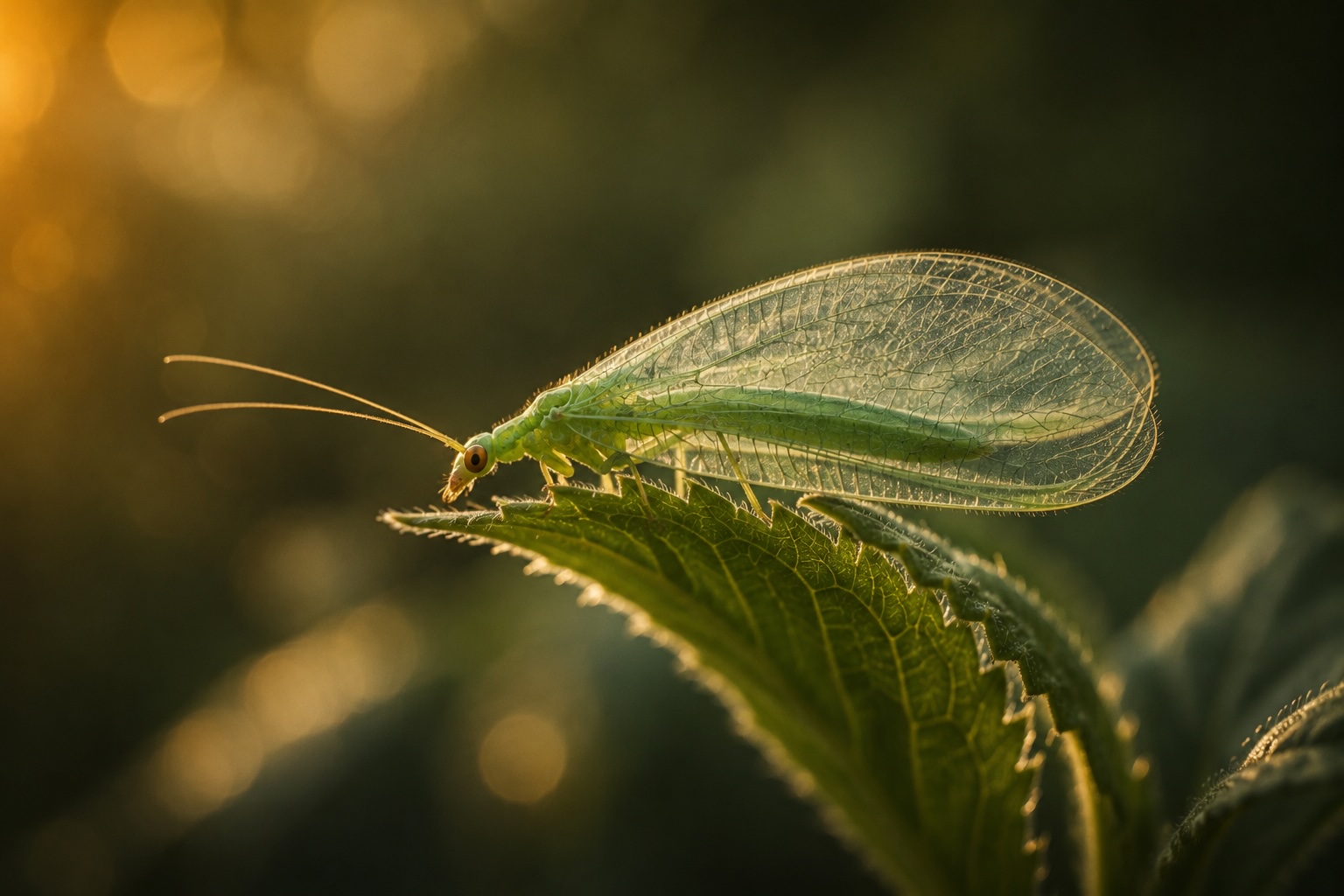
Broad-spectrum predator — sometimes called "aphid lions."
Best for Mixed pest pressure
 Live arrival
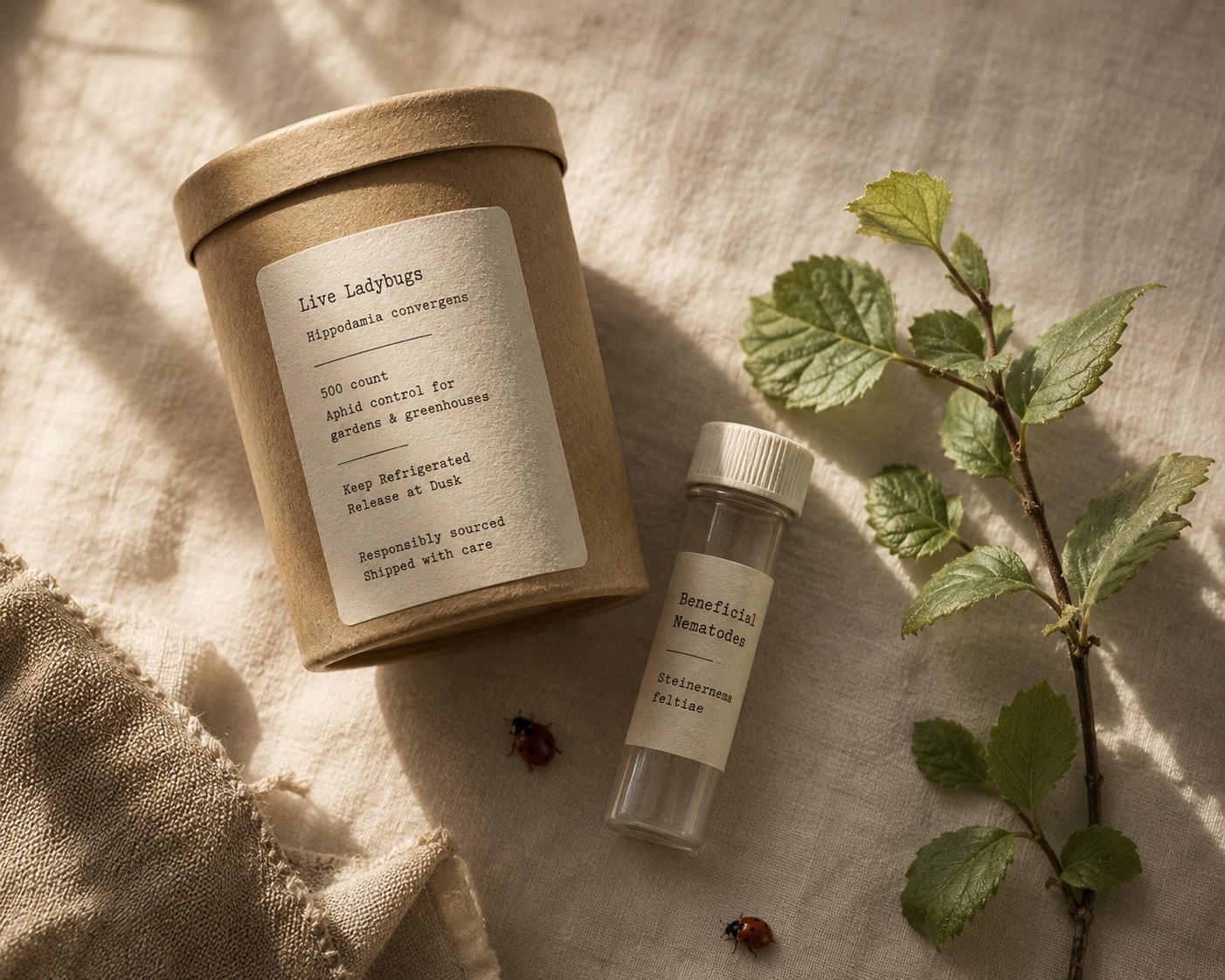
Our recommended pairing for serious aphid pressure.
Best for Aphid hotspots
 New
Live arrival
New
Live arrival
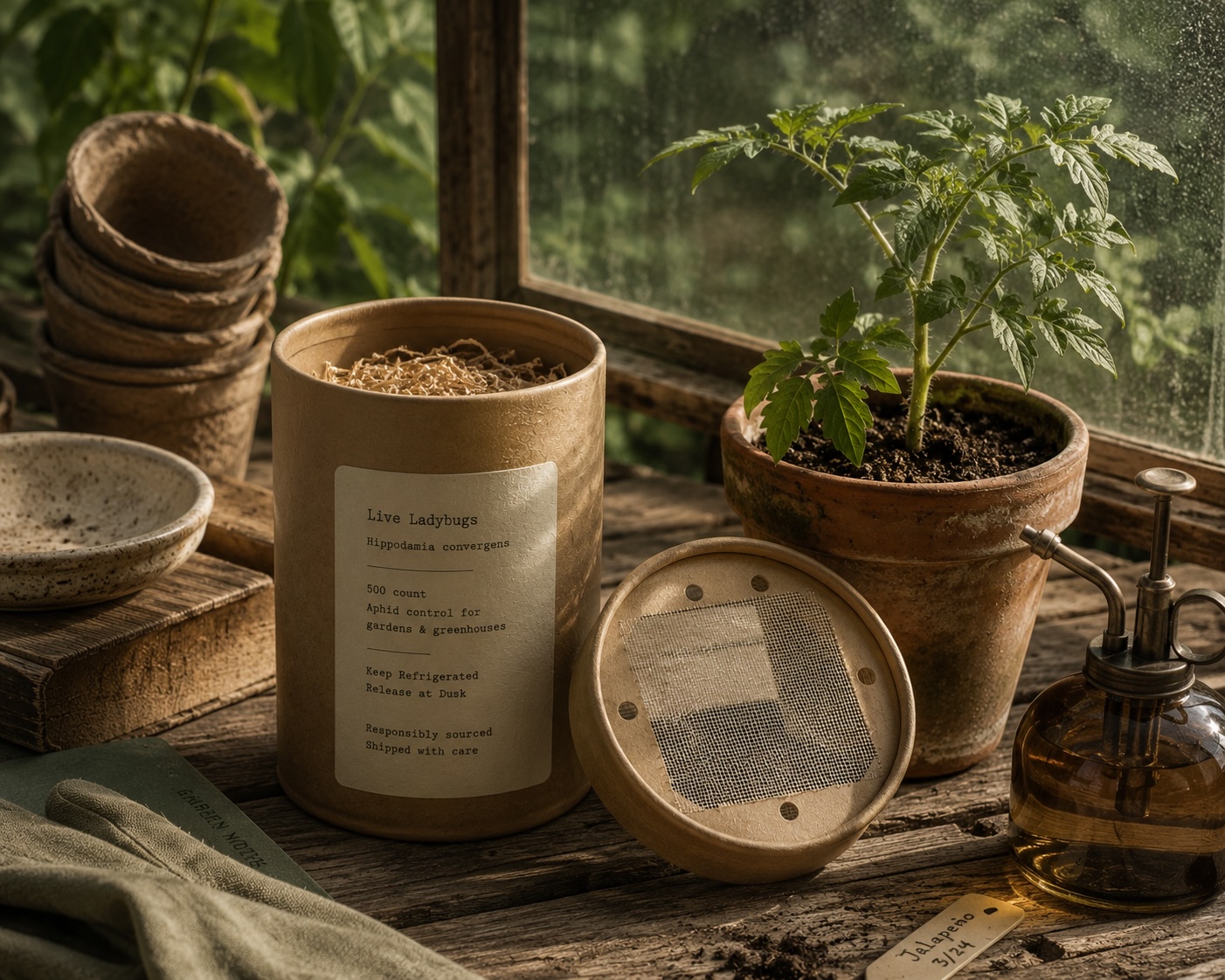
A balanced beneficial program for greenhouse environments.
Best for Greenhouses