 Best Seller
Live arrival
Best Seller
Live arrival
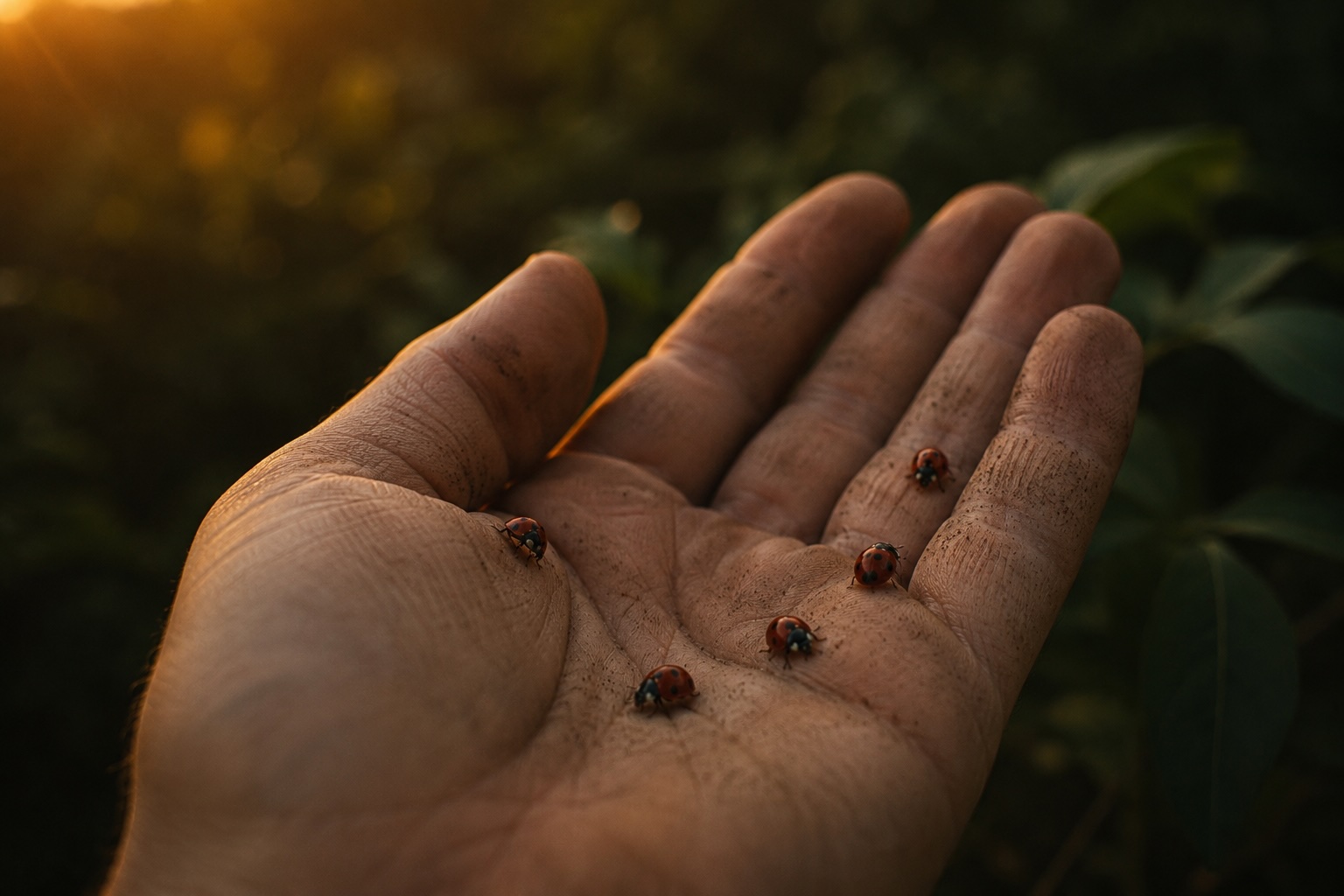
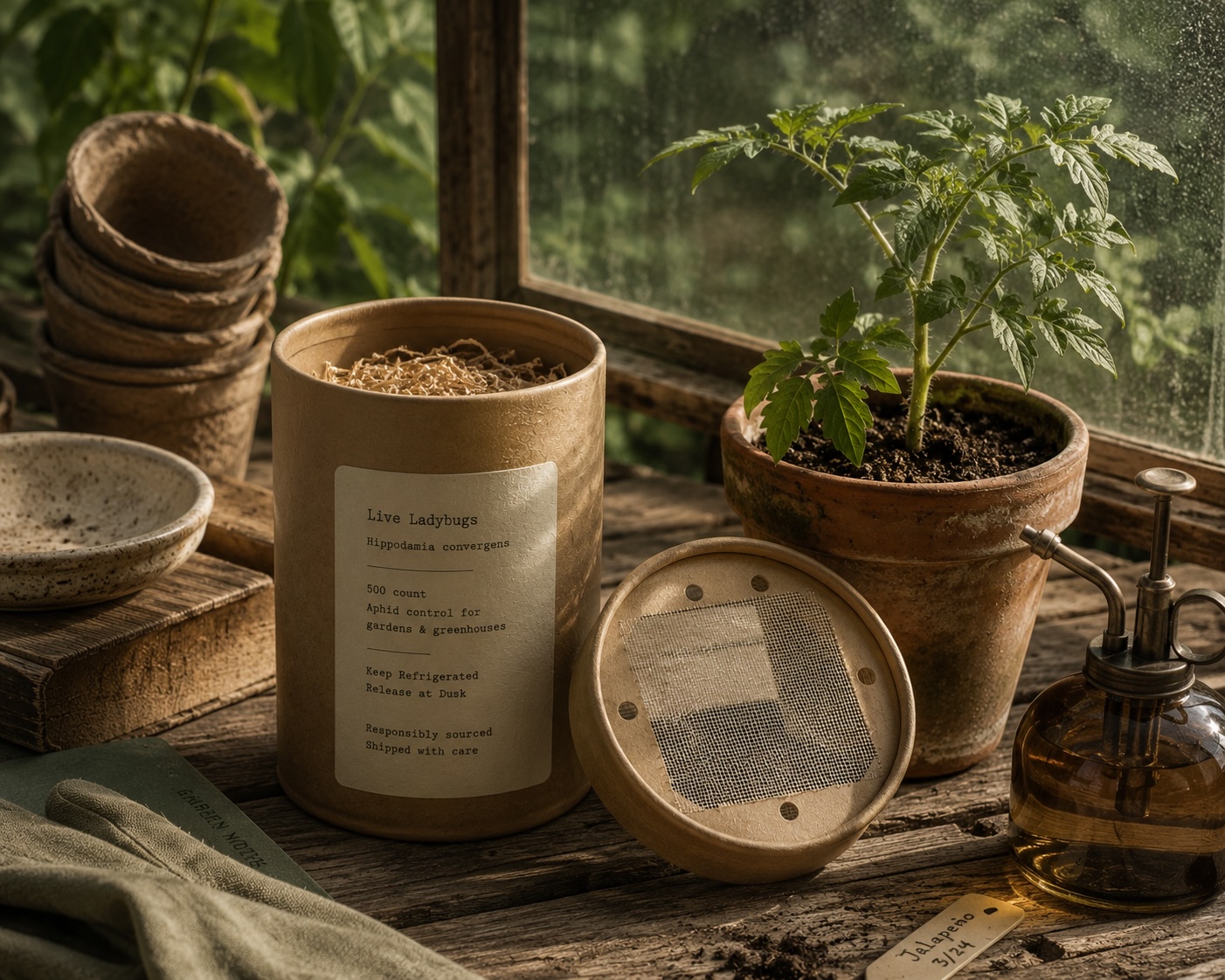
Live Ladybugs
Hippodamia convergens
From
$28
Natural aphid control for gardens, greenhouses, and grows.
Best for Aphid pressure
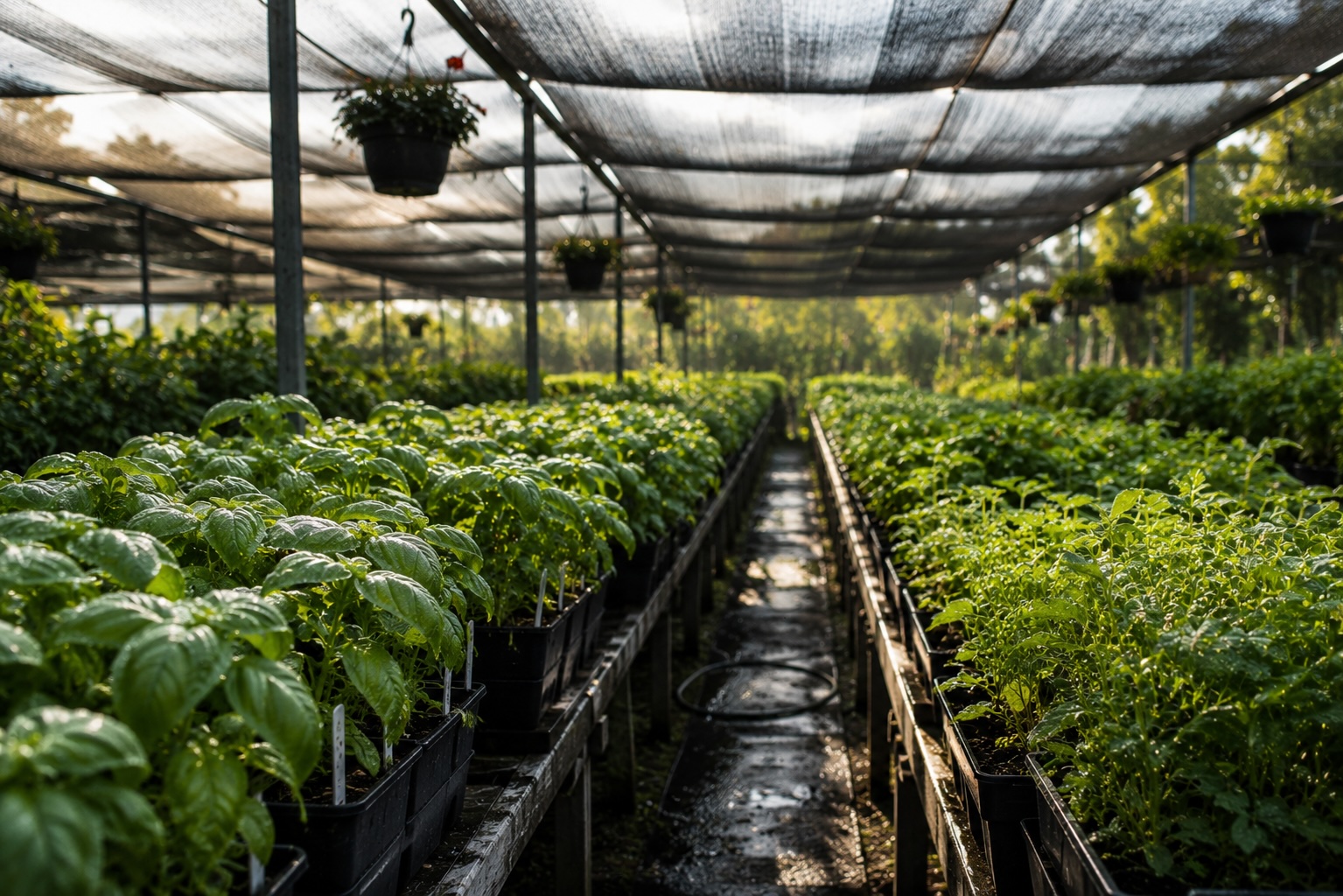
Nursery IPM
Residue-free pest control for saleable stock. Used in wholesale and retail nurseries across California and the U.S.
Direct answer
A three-species program covers most nursery pest pressure: ladybugs (aphids on ornamentals and edibles), green lacewings (mites, thrips, whiteflies), and beneficial nematodes (fungus gnat larvae in containers).
Nursery IPM essentials
Best Seller
Live arrival
Hippodamia convergens
From
$28
Natural aphid control for gardens, greenhouses, and grows.
Best for Aphid pressure
 Live arrival
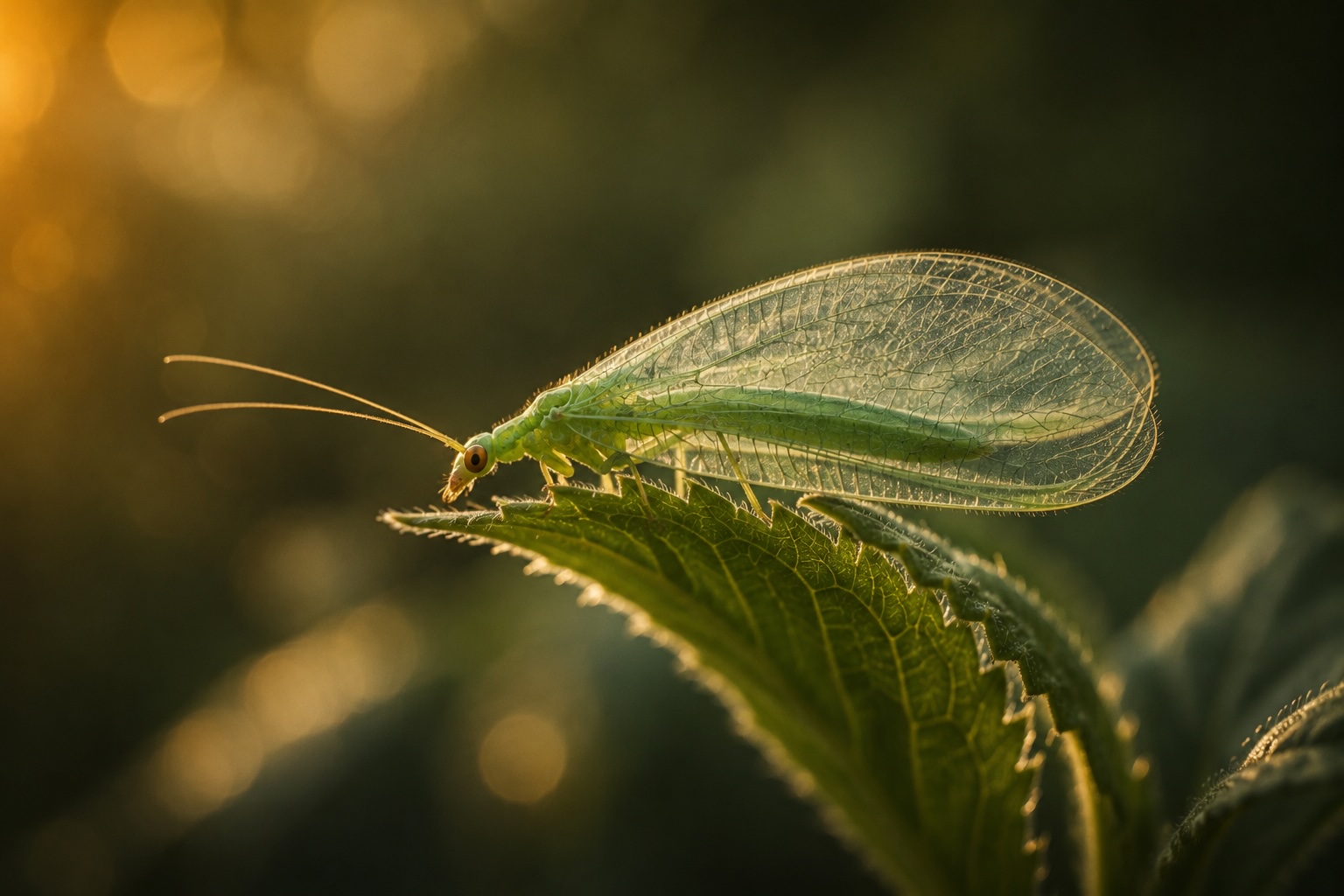
Broad-spectrum predator — sometimes called "aphid lions."
Best for Mixed pest pressure
 Live arrival
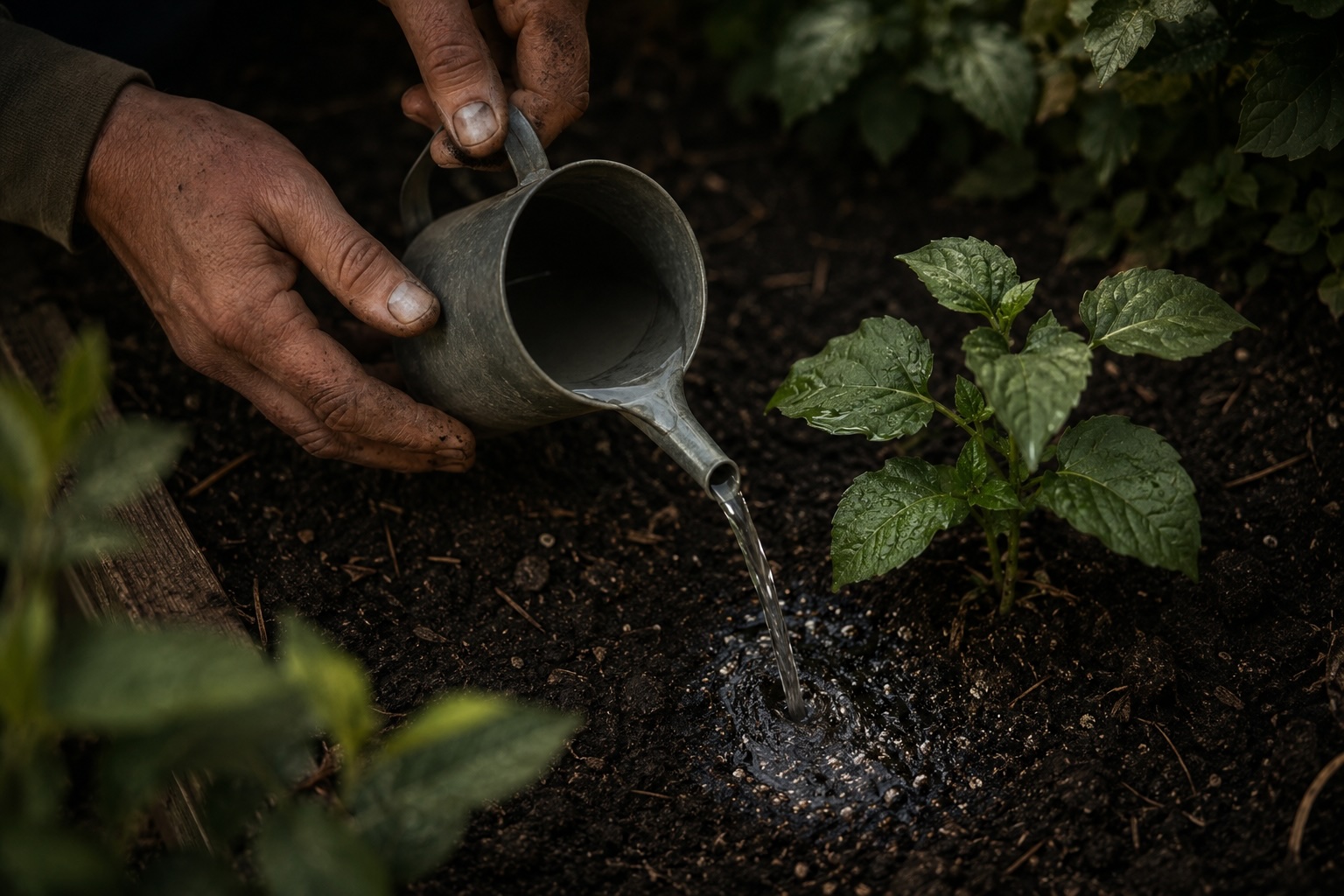
Microscopic soil allies for soil-dwelling pests.
Best for Fungus gnats
 New
Live arrival
New
Live arrival
A balanced beneficial program for greenhouse environments.
Best for Greenhouses